


For the past few years, planning a trip has felt like standing in front of an avalanche of destination content, unable to move from analysis paralysis. New AI tools are announced every month. Influencers and the comment sections that trail them now compete with traditional bucket lists when it comes to inspiration and mood boarding. Young travellers are now predisposed to specious fads like “cowboy core” or cinema-inspired concepts such as “home swapping”, fuelling a wave of niche travel personas like never before.
By contrast, the previous generation arguably travelled with slower, more linear logic: flipping through guidebooks, seeking out “must-see” sights, and planning trips months in advance. Their itineraries were shaped by printed recommendations, travel agents, or word-of-mouth, not so much by a constant stream of algorithmic content. And while there’s more visibility and hype around the cool new tools available to us, the emerging generation knows exactly how to navigate this endless stream of information and choices. They know what’s trending but also ask whether the hot new vacation style fits who they are and why they’re travelling.
To understand what’s shaping the way young travellers explore today, we turned to our T+L editorial team, who unpacked the personal motivations, digital influences, and quiet shifts driving their recent and upcoming trips.
Also, read our 2025 travel trends guide to learn about the latest experiences, trips, and sustainable practices dominating the industry.
T+L editors share how young travellers are changing the travel scene
Niche-fluencing
At 21, Yashna Kumar, Content Trainee at Travel + Leisure Southeast Asia, Hong Kong, and Macau, often relies on social media for travel inspiration while keeping a close eye on her budget. “I usually travel with close friends,” she shares, noting that many of them are students, which makes budget a priority. “We book hostels or dorm rooms, which helps keep costs down and lets us meet other travellers from different backgrounds.” Instead of traditional guidebooks, her travel planning is driven by platforms like Instagram, which allow users to find inspiration for hyper-niche categories like ‘aesthetic on a budget’ or ’boutique hostels’. “We search for reels on specific locations and save whatever catches our eye,” she adds, emphasising that their planning is “very social media forward”.
“Travel isn’t about a special occasion. It’s cathartic — the chance to catch up with friends and explore a new place,” she explains. If the budget were no concern, Istanbul would top her list, inspired by the books she has read. “Istanbul is on my list because I’ve always connected with it through literature,” she says.
Screen-less getaways
For Rooplekha Das, Junior Content Writer at Travel + Leisure Southeast Asia, Hong Kong, and Macau, travel is less about hitting landmarks or curating the perfect feed, and more about disconnection. “Work trips are fast-paced and goal-oriented, so when I travel for myself, I crave the exact opposite: peace, solitude, and stillness,” she shares. After long weeks of deadlines and screen fatigue, she turns to spontaneous two-day getaways as a reset. “No itineraries. No laptop. No mindless scrolling. Just music, long walks and indulging in the joys of dolce far niente.”
Her ideal escape? A quiet weekend in Darjeeling, spent in a no-WiFi homestay with a balcony view and nothing on the agenda except cafe-hopping, journaling, and watching the world go by. “That’s the kind of travel I seek — simple, slow, and free from the noise of a world obsessed with being Pinterest-perfect,” she explains.
Geo-tagged tourism
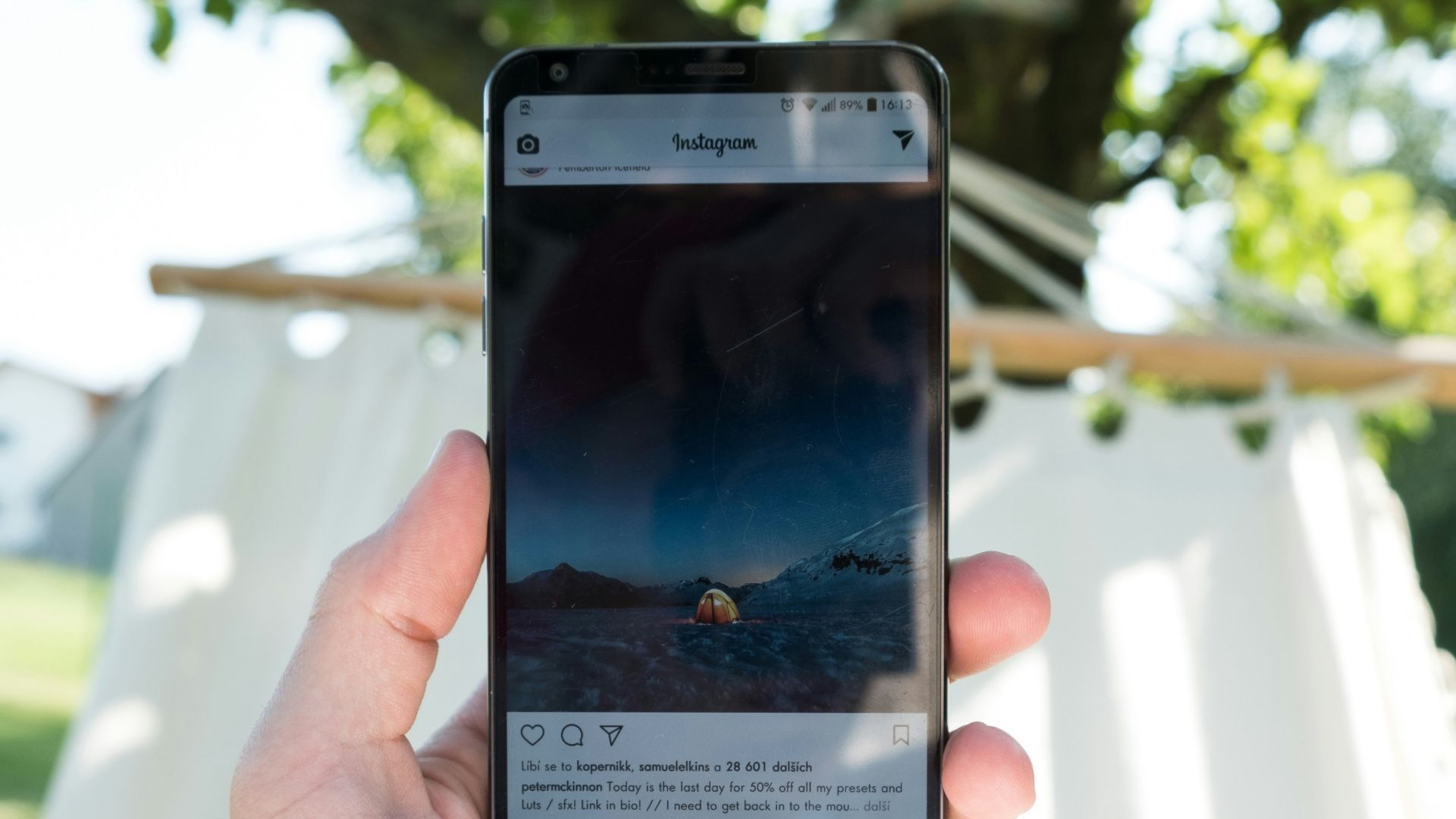
Instagram travel is a trend that has survived for almost a decade now and continues to thrive. A scroll through the ‘saved folders’ on several internet platforms has swiftly replaced newspaper collages and is often detrimental in dictating where the next generation of travellers wants to go. For Chhavi Vohra, SEO Executive at Travel + Leisure Southeast Asia, Hong Kong, and Macau, it starts with how a place looks online. “I usually go with the aesthetic appeal of a location,” she says. “I have a folder on Instagram filled with posts of all the beautiful places I’d love to travel to.”
“It’s no secret people are getting their news, inspiration and travel ideas from influencers and content creators, with a recent study showing that 80 percent of millennials rely on social media for travel decisions,” said Jochen Koedijk, Chief Marketing Officer, Expedia Group, who recently launched a trip matching tool that uses AI to extract and process social media inspiration to formulate real-world travel plans.
Exploring lowkeylands
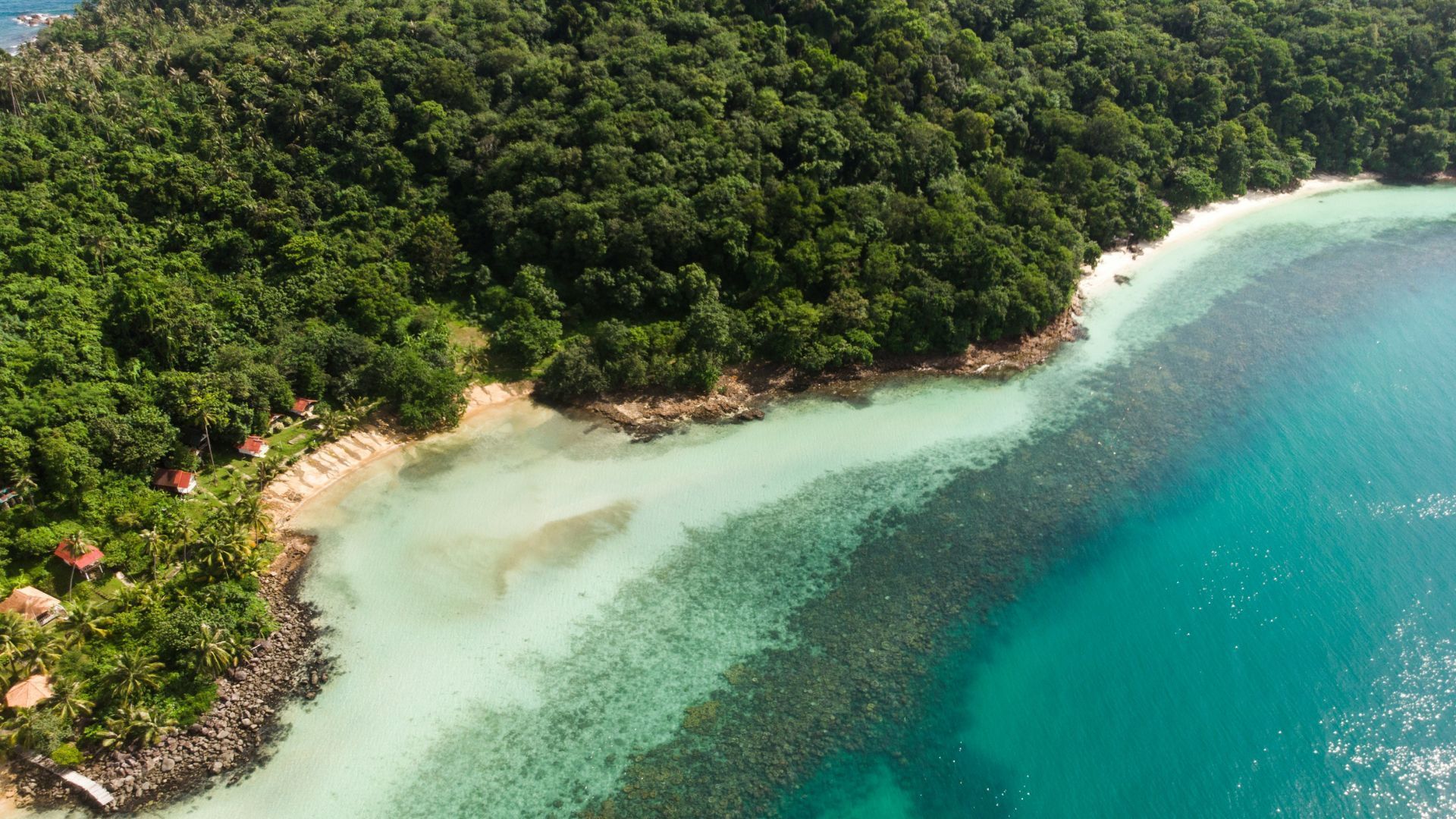
Amid the surge of reels mapping out ‘hidden gems’, some young travellers are also learning to read between the pixels. Associate Editor with Lifestyle Asia, Imana Bhattacharya, planned a recent trip to Thailand with one goal in mind: to avoid what was trending.
“Every time someone posts a ‘hidden gem’ reel, the place becomes heavily crowded and filled with trash,” she notes. To sidestep this cycle of instant overexposure, she chose Koh Chang, one of the country’s lesser-known islands, as her destination. “It’s not as commonly visited by tourists, allowing me to explore something new, not marred by Instagram.”
For Imana, social media is not just a discovery tool but a filter to avoid places already compromised by over-tourism. “I use it to steer my travel plans away from the overdone,” she adds. That decision comes with trade-offs — fewer amenities, limited access — but the reward is a kind of quiet authenticity, untouched by the churn of trends.
FOMOcations
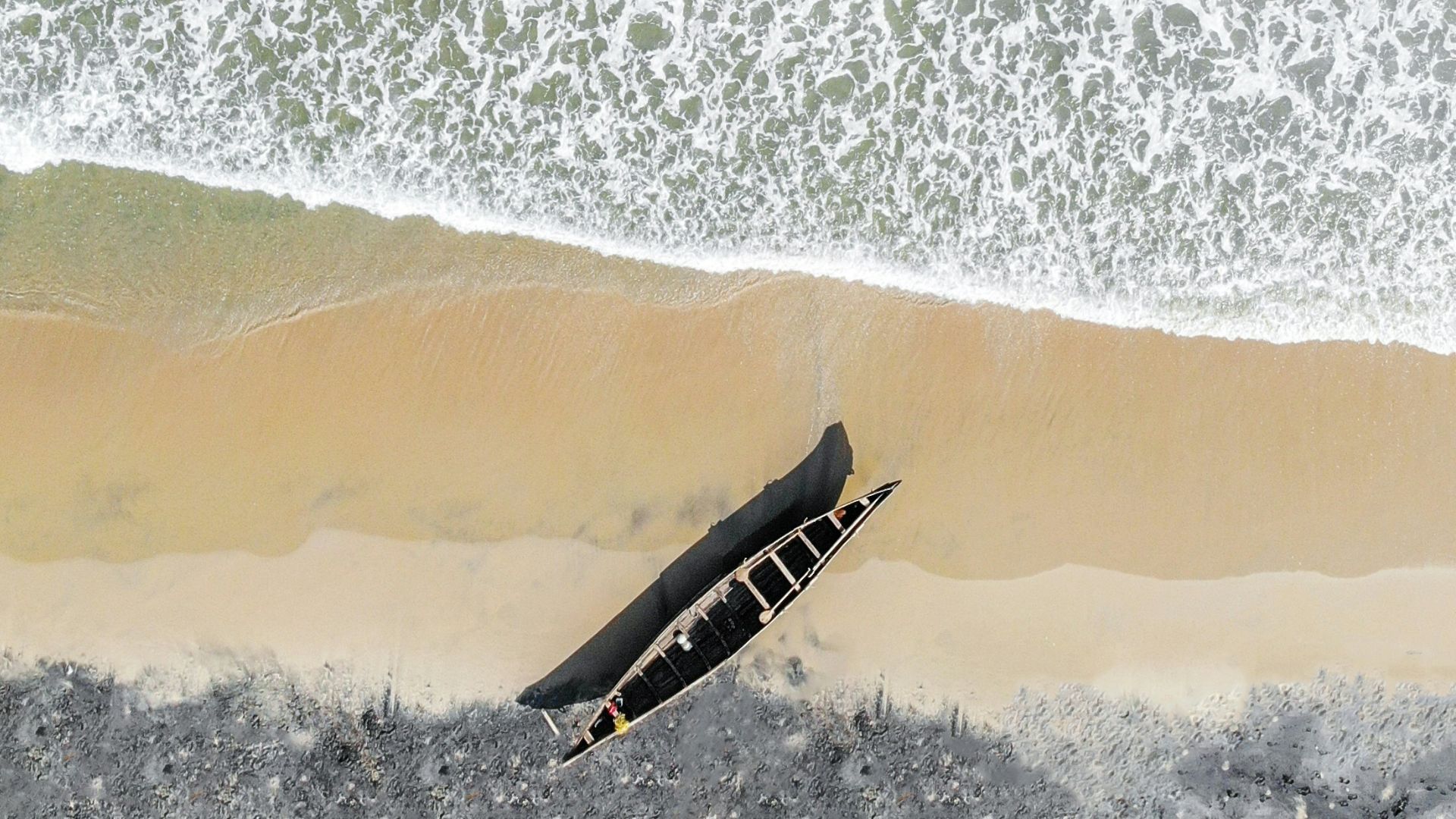
For a generation constantly online, FOMO, which was once portrayed as a trap, has become a liberating source of travel inspiration, pointing to destinations that people and the community around them appreciate.
Ishita Banerjee, Content Trainee with Travel + Leisure Southeast Asia, Hong Kong, and Macau, shaped her recent trips around that feeling. “I was drawn to Varkala after seeing it pop up on Instagram,” she recalls. The cliffside cafés, yoga retreats and peaceful beaches offered what looked like a more laid-back, less commercial Goa. “It wasn’t just the aesthetics, but also the vibe people shared — slow mornings, sunset views, and a sense of calm.”
Meanwhile, her trip to Hampi was prompted by a friend’s photo album with visuals of surreal boulders, quiet ruins, and a cinematic landscape. “That triggered a bit of FOMO,” she admits, but instead of scrolling past, she booked a ticket.
Slowed-down sojourns
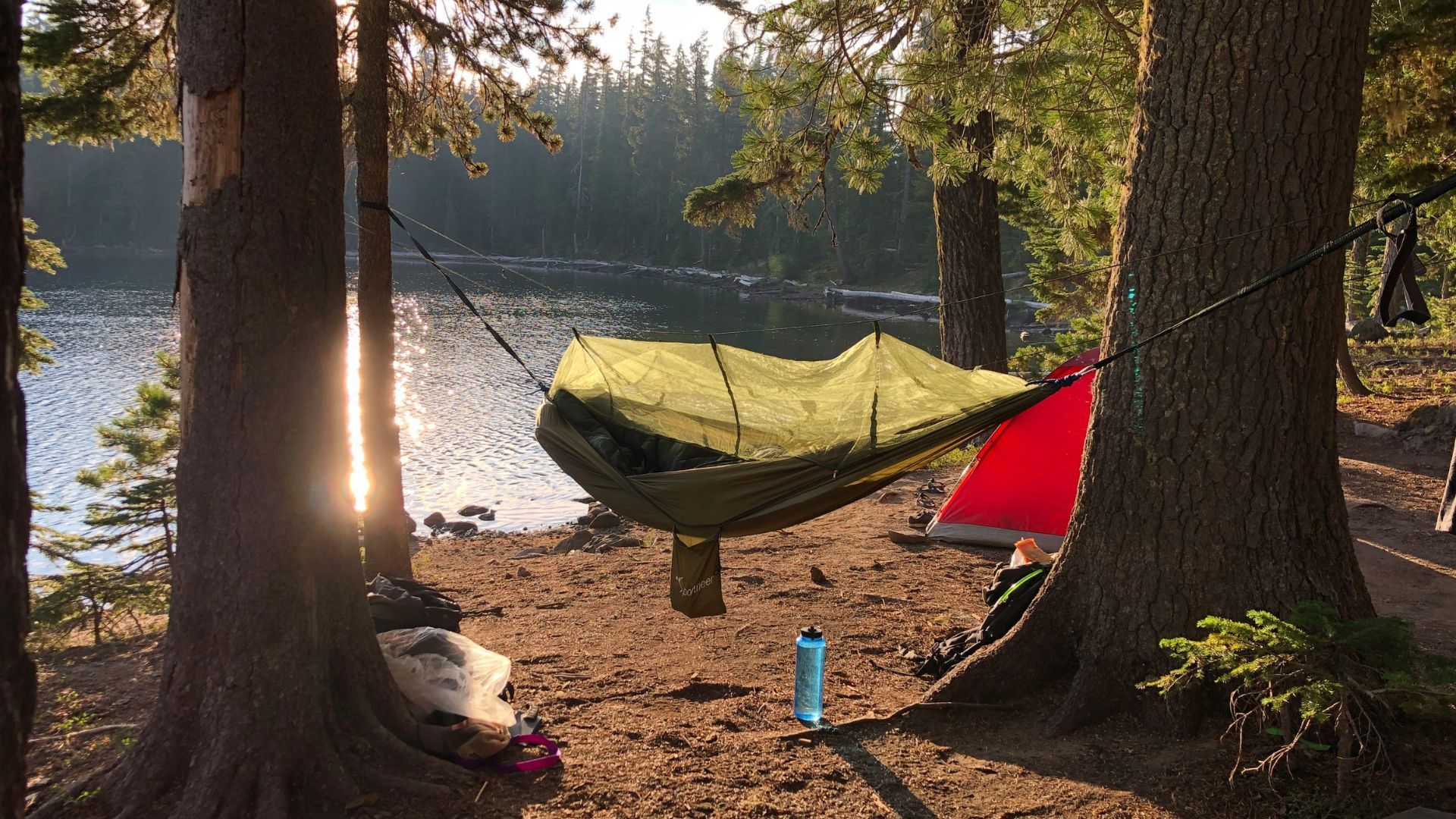
A Web Story Producer at Travel + Leisure Southeast Asia, Hong Kong, and Macau, Anukriti Srivastava sees travel as a form of restoration. “Travel is about healing and relaxation,” she says. And she is not the only one. According to Euromonitor’s Voice of the Consumer: Lifestyles Survey (conducted between January and February 2024), one in three global respondents plans to spend more on health and wellness this year, with younger generations showing a stronger inclination to boost their wellness-related spending.
She skipped hotels and resorts for riverside camps tucked away from the city’s chaos on a recent trip to Rishikesh. The choice was deliberate. “It ensured a calmer, more grounded experience,” she notes, solely focusing on how a place made her feel.
Young travellers prefer craft-ed destinations
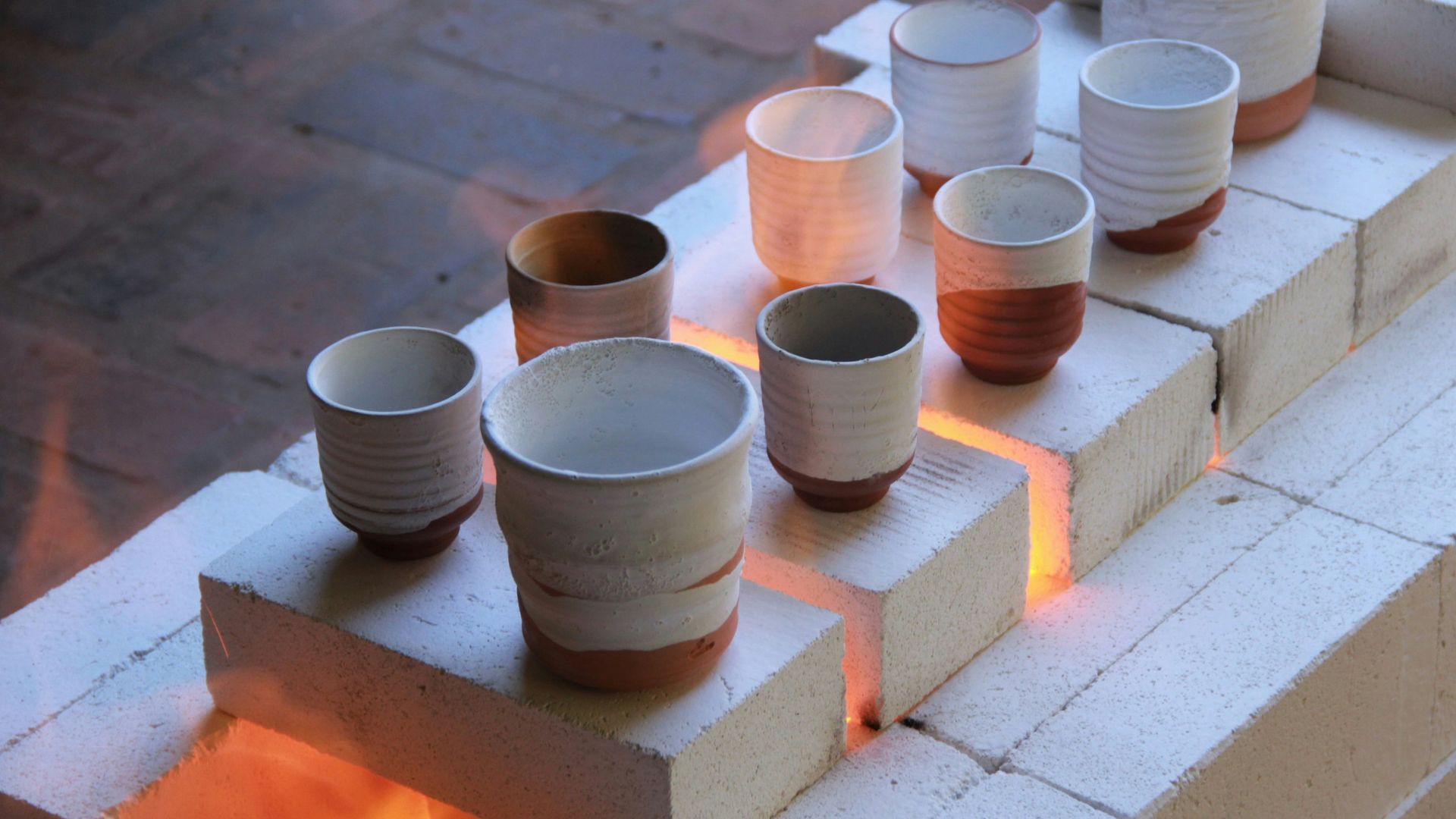
For Arnab Hota, Content Trainee at Travel + Leisure Southeast Asia, Hong Kong, and Macau, travel isn’t about ticking off landmarks but deepening his pottery talent. “What inspires my travel is art and budget,” he says. “I always look for places that offer art-focused retreats and are within reach financially.” Creativity-led getaways, which can be distilled down to itineraries where artistic practice becomes the centrepiece of the journey, are certainly on the rise, and young travellers are some of the first to sign up. These “art holidays” pair self-expression with an all-inclusive travel experience, offering affordability and meaning.
In December 2024, he travelled to Dharamkot for a pottery retreat that included hands-on practice, lodging, and local exploration. “It covered everything — from pottery sessions to accommodation to sightseeing” and helped him focus on the creative aspect without the logistical chaos and pressure to explore the location.
Young travellers are becoming experiencepreneurs

As a Digital Writer at Travel + Leisure Southeast Asia, Hong Kong, and Macau, my work often brings me face-to-face with new places, whether covering a museum opening in Shenzhen or compiling a hiking guide in Singapore. Yet, beyond the professional rhythms of reporting and research, pursuing unfamiliar experiences continues to shape how and why I travel.
I seek destinations that offer experiences I am interested in and that promise the possibility of personal growth. In Kerala, that meant standing on a surfboard for the first time. In Italy, it meant structuring an entire itinerary around wine education — attending sommelier-led workshops, walking through vineyards, and immersing myself in a culture I didn’t grow up with. Raised in India, wine wasn’t part of my daily vocabulary, so the trip became a journey of personal expansion as much as professional enrichment.
Shop the best travel experiences here
(Feature image credit: Juli Kosolapova/Unsplash)
Related | The Ultimate Post-Burnout Escape: How Young Luxury Travellers Are Rewriting The Rules
Note:
The information in this article is accurate as of the date of publication.
We may earn an affiliate commission when you shop through links on our site.
Written By
Sneha Chakraborty
Sneha Chakraborty is a journalist and photographer covering how travel intersects with food, culture, ..Read More
link