

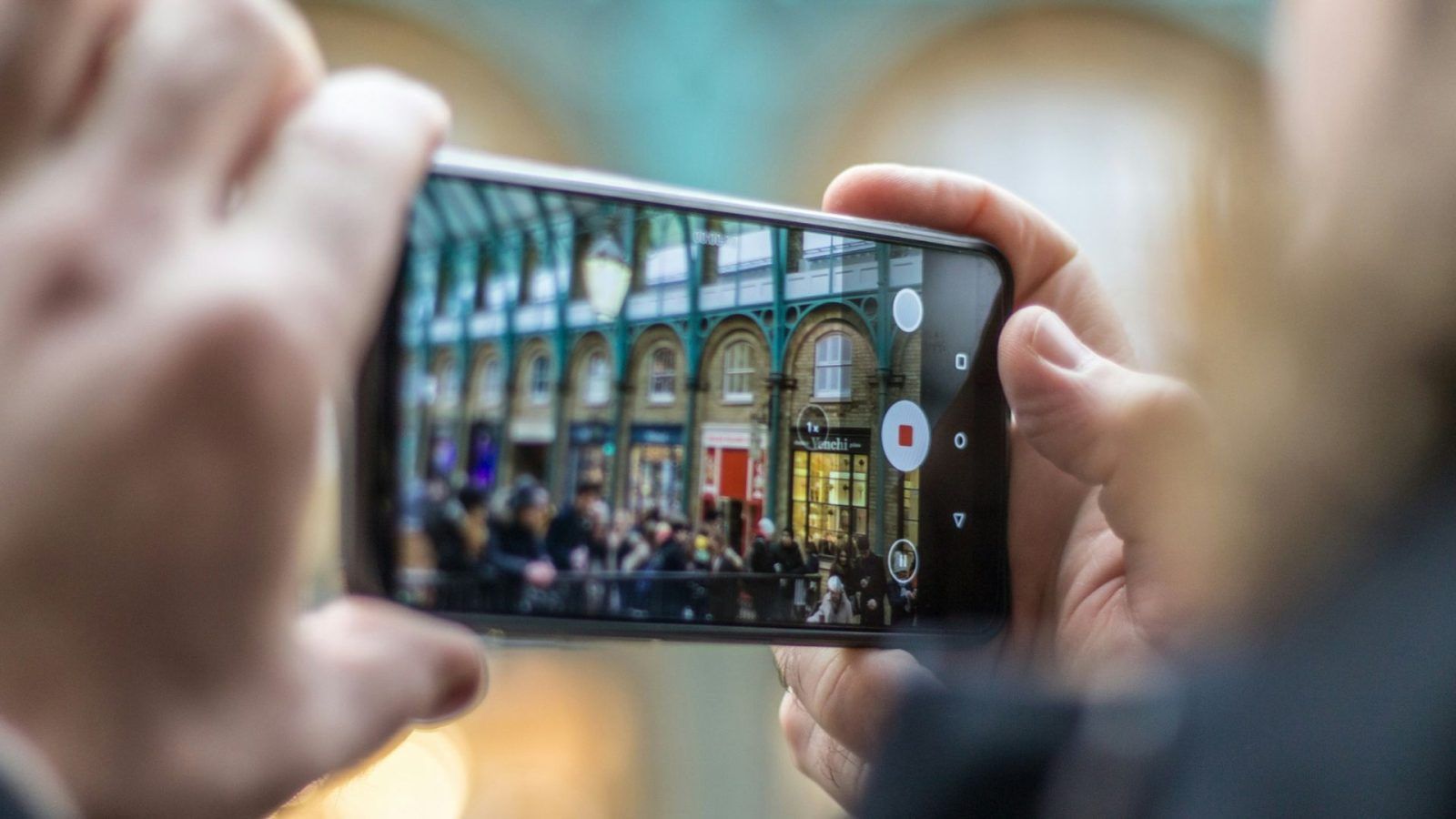

“Just ask ChatGPT!” These days, you’ll hear that phrase almost as often as someone mentions “Google it”, often followed by a raised eyebrow or a sceptical laugh. AI might not be perfect for everything (it’s not about to replace your doctor or therapist), but when it comes to simplifying which routes to take on during a road trip, what to order in a restaurant, or churn out a list of ‘must-visit attractions’, it’s quietly becoming indispensable.
According to research by Marriott Bonvoy, 52 percent of travellers in the UAE and 50 percent in Saudi Arabia have used AI to research or plan a holiday. Looking ahead, 77 percent in both countries say they’re likely to do so in the future. Among those who’ve already used AI, the impact is clear: 93 percent in the UK, 92 percent in France, and 95 percent in both the UAE and Saudi Arabia said AI influenced their travel decisions, particularly around destination choice, accommodation, and transport.
But how is the travel and hospitality industry navigating a tool that still feels futuristic to some, even as it quietly becomes a go-to for a new generation of travellers? Read on to find out.
Google’s new AI travel tools, launched earlier this year, are designed to help you plan smarter and travel easier.
How are travellers and businesses mastering the art of AI?
Ctrl, alt, retreat
Figuring out your next travel plans? These tools can help ↓
— Google (@Google) June 14, 2024
For two months in 2026, David and Christina, two remote IT professionals from Dallas, Texas, plan to travel across Asia with a different style of itinerary for each country. One of them is a week-long stay at the Kopan Monastery, a Tibetan Buddhist temple near Boudhanath, where dharma practitioners can find themselves surrounded by a community of experts who carry on the teachings of monks and resident meditation instructors.
But where did David and Christina find this monastery, especially when they spent less than a day planning the Nepal leg of the trip? “Since we had measly hours to flesh out the details of the trip, we had to ask AI,” Christina told Travel + Leisure Asia (India, South Asia, Southeast Asia, Hong Kong and Macau). “David fed ChatGPT scribbles of our itinerary, along with how much time we have and, most importantly, the fact that I want to spend slow, intentional days deepening my knowledge about Buddhism, and this first suggestion was Kopan, which we ran with.”
Are we there yet, or is AI making this up too?

While the initial virality of AI in early 2023 saw many plunge headfirst into the pool for superficial reasons or to follow the trend, that is slowly changing. “In the space of a year, we are already seeing AI start to solve for the problem of choice and decision overload, with a real opportunity to bring enjoyment back to the arduous process of discovering and purchasing memorable travel experiences,” shared Emily Weiss, senior managing director and global travel lead at Accenture.
“For the travel industry, the AI opportunity goes beyond securing bookings. Consider that, instead of being overwhelmed by countless options and conflicting reviews, Gen AI can act as a personal travel concierge, providing bespoke recommendations based on your preferences, budget, and location. It can consider factors such as a person’s previous travel history, loyalty programme status and even real-time data on local events and attractions.”
Generative AI is also starting to help with one of travel’s oldest questions: Where should I go next? “Skyscanner has been helping wanderlust adventurers with its Everywhere search for the last 17 years. One in two travellers globally come to Skyscanner without a specific destination in mind. And as reported in Skyscanner’s Travel Trends 2024, we’re now seeing AI being adopted to help in this travel inspiration space,” Piero Sierra, Chief Product Officer at Skyscanner, commented.
How is AI doing right now in the hospitality space?
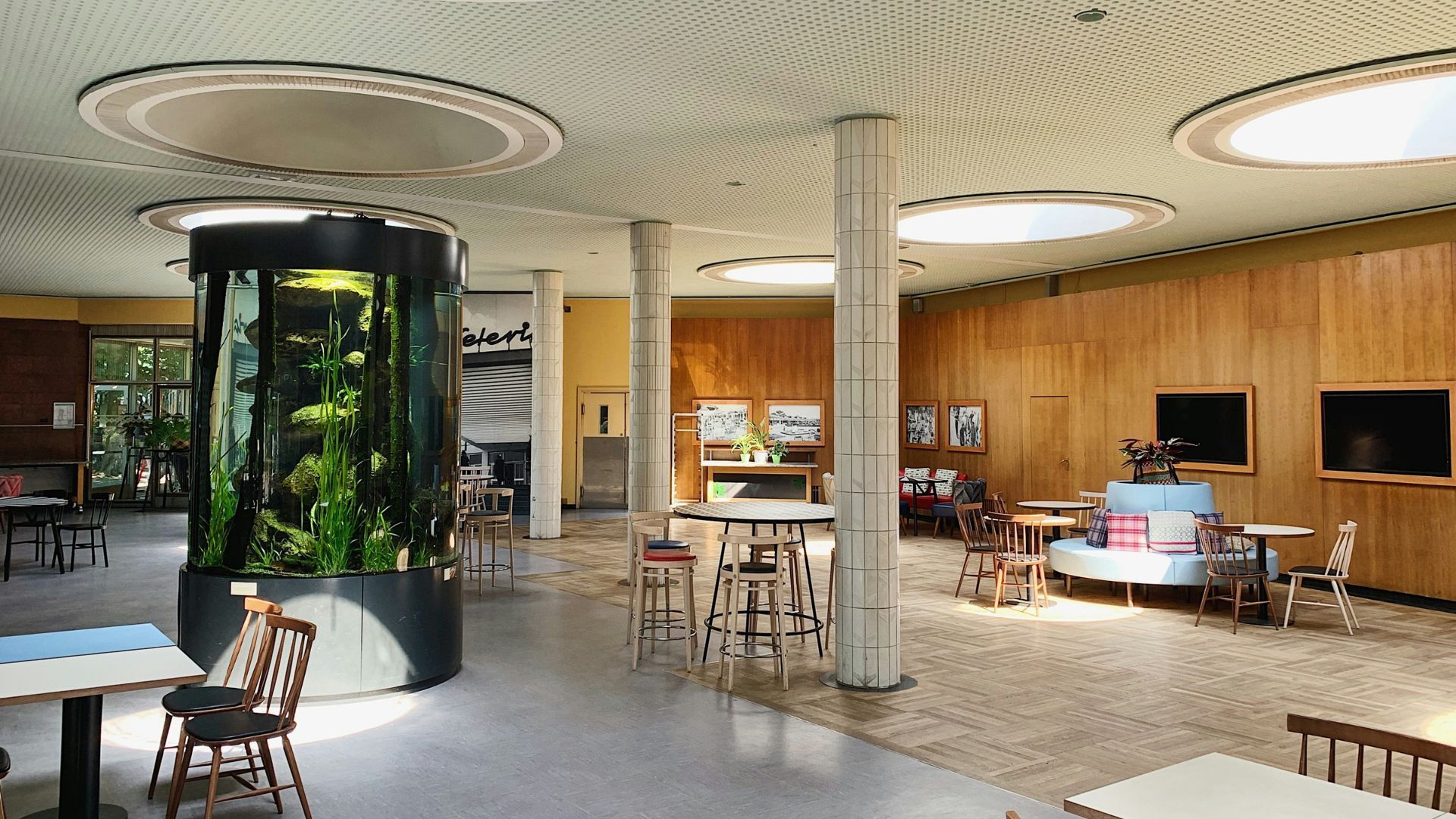
Because personalised service and attentiveness remain central to what defines a great hotel, introducing AI into the mix is a creative challenge that many hotels embrace confidently, as the pros often outweigh the cons.
Also, read what happened when another writer asked ChatGPT to plan the ‘perfect vacation in Goa’.
“At Shangri-La Bengaluru, we view AI as a powerful tool, not to replace the human connection, but to refine it,” Shireen Sheriff, Director of Marketing & Communications, Shangri-La Bengaluru, told Travel + Leisure Asia (India, South Asia, Southeast Asia, Hong Kong and Macau) over email. “However, the heart of our guest experience remains deeply personal. Guests are still greeted in person, escorted to their rooms, and personally engaged at every touchpoint.”
Shangri-La Bengaluru uses guest intelligence platforms like SevenRooms and TotalEngage — strictly on an opt-in basis — to deepen personalisation: SevenRooms tracks dining patterns across outlets like Caprese and Ssaffron to automate bookings and anticipate preferences, while TotalEngage consolidates room, spa, and feedback data to enable AI-powered, timely, and customised communication across the guest journey. Pretty cool, right?
Mohamed Shafraz Hafiz, Director of Digital Technology & Marketing at Pulse Hotels & Resorts, who leads digital innovation at Kandima Maldives, told us how the resort uses AI to boost guest loyalty through convenience and personalised service while being mindful of data privacy: “A great example is our 24×7 virtual concierge chatbot, which offers real-time assistance on our website with a 95 percent understanding rate, helping us efficiently handle guest inquiries and provide essential information around the clock.”
He added that the team is “deeply committed to safeguarding guest data, recognising that AI systems often handle sensitive information, and any mishandling or breach could compromise guest trust and our brand’s reputation.” Hafiz also noted the importance of vigilance around “technical glitches or system downtime, which, even if brief, can negatively affect guest satisfaction”.

None of the hotels in India and abroad we interviewed have used a chatbot to replace the human touch in the hospitality industry. However, Karan Ahuja, Co-founder and CEO of AiVANTA, a Mumbai-based MarTech company, made an interesting case for how it, if not now, could become a potential alternative for processes we currently think of as in-person in the future. When asked whether AI-generated videos risk replacing the personal touch of hospitality, the response was clear: he explained how they can be thought of like “a complement rather than a replacement.” While they may not yet match the full emotional depth of human interaction, they can still feel “surprisingly authentic” with “carefully chosen language and thoughtful personalisation”. One leading Indian hotel brand saw this in action when its tailored AI video messages led to a 12 percent increase in loyalty point redemptions.
Rabih Chehade, Founder and CEO of Slangit Technologies, echoed this sentiment, adding, “By joining forces with AiVANTA, we are redefining AI-powered customer communication in the Arabic-speaking world.#news
— Campaign Middle East (@CampaignME) June 11, 2025
“In today’s fast-paced, digital-first world, not every guest interaction happens in person. Many guests now prefer self-check-ins and contactless experiences, which can limit opportunities for traditional personal touches. AI-generated videos step in as a thoughtful, personalised extension of your service, helping maintain warmth and connection even when face-to-face interaction isn’t feasible,” he added.
Are AI tools becoming more popular than other search platforms?
How to Use AI Trip Planner
— CNET News (@CNETNews) February 12, 2025
The simple answer would be yes, because they’re out there, introducing themselves.
While most of these AI implementations are often literally behind closed doors (or hotel gates), the most consumer-facing solutions we are seeing that mark the rise of AI in travel have been independent tools from experienced travel agencies and aggregators. Booking.com has been leveraging AI and machine learning for over a decade to deliver more personalised and frictionless travel experiences. “Technology is no longer a convenience but a trusted co-pilot for guiding travel decisions for memorable experiences,” said Santosh Kumar, Country Manager for India, Sri Lanka, Maldives and Indonesia at Booking.com.
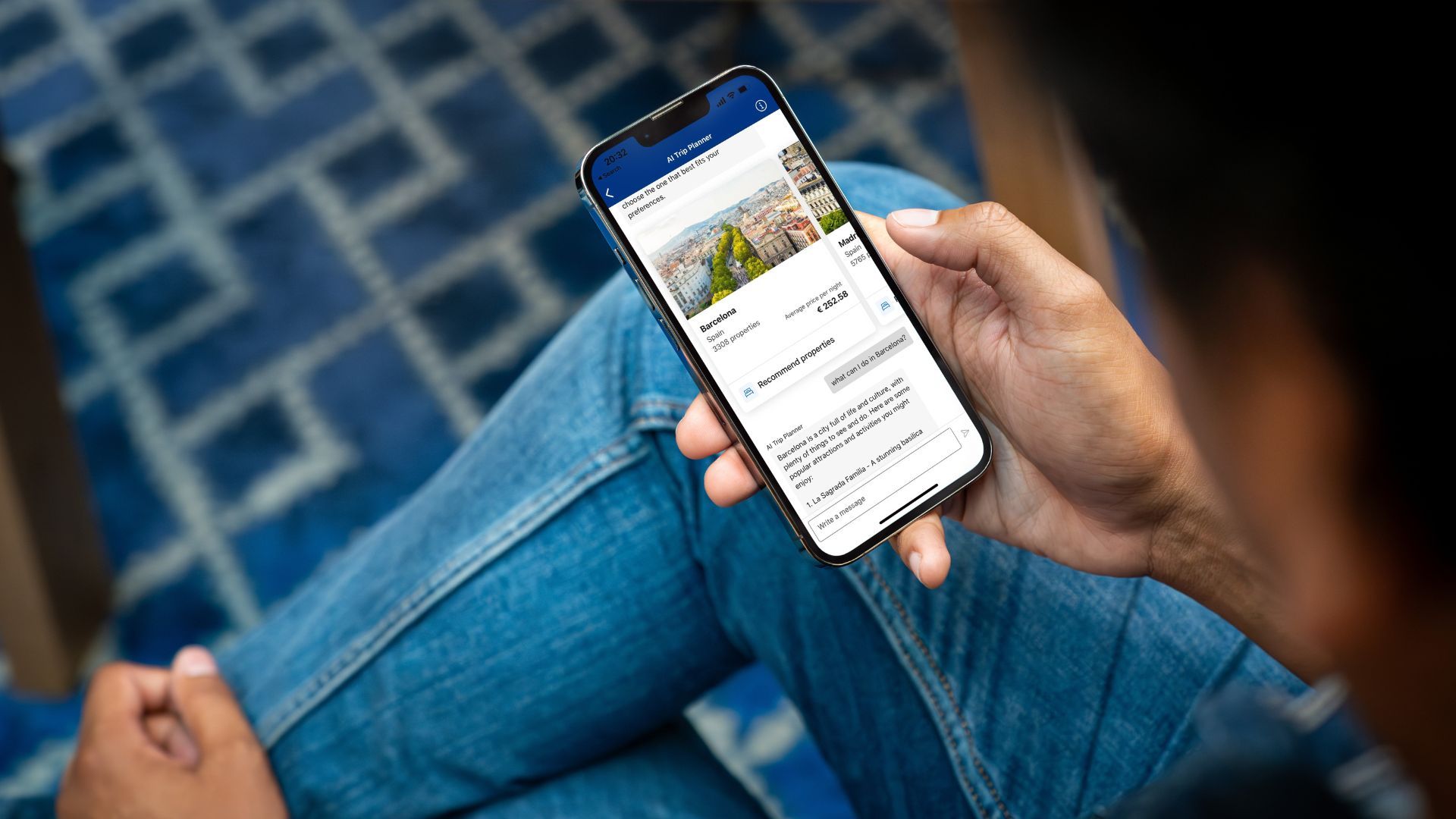
Among Booking.com’s AI-driven tools are the AI Trip Planner, currently live in the US, the UK, Australia, New Zealand, and Singapore, which offers curated itineraries and real-time support, powered by OpenAI’s ChatGPT API. Features like Smart Filter, property-page Q&A, automated chatbots, and the ‘Help Me Reply’ function for partners are designed to make trip planning faster, smarter, and more tailored to individual travellers.
“[Our AI Trip Planner] leverages our robust machine learning infrastructure and integrates large language model (LLM) technology from OpenAI’s ChatGPT API to introduce a conversational and intuitive way for travellers to begin planning their journeys,” he added.
Additionally, explore our curated selection of top tech toys for your summer family reunions.
A modern travel agent’s new favourite colleague?

Travel operators and curators, like hotels, manage a large volume of requests, face demand for personalisation at speed, and deal with real-time changes. Luckily, while AI is not perfect, it can excel in this field by showcasing skills such as natural language processing (NLP) and predictive analytics.
“We use AI to analyse past preferences, global trend shifts, and even micro-seasonal data to create itineraries that feel like they were meant for individual clients — because they were. Behind the scenes, generative AI speeds up the heavy lifting of proposal creation, allowing our team to spend more time on the creative details that make trips magical,” shared Simran and Bharat Seth, founders of OneLatitude, an agency specialising in tailor-made luxury holidays.
Also, here’s what happened when ChatGPT was asked to plan a full family holiday.

However, it’s not always quick responses and 10-second solutions. “The biggest challenge we’ve encountered is just how complicated multi-day trip planning is. It’s not like booking a flight or a hotel room — there are so many moving parts. You have to consider how the group moves together, what they want to eat, their level of activity, when they need to rest, and how the story of the trip unfolds. Translating that into something AI can meaningfully assist with requires both structured inputs and nuanced context,” highlighted Sanjith Mukund, founder, JrnyOn, an online travel marketplace crafting expert-led, multi-day itineraries.
“That said, even in its early stages, AI has already proved valuable for our internal teams. It’s helping our operations and content teams speed up repetitive tasks, maintain consistency across itineraries, and generate helpful prompts when crafting trip outlines. It’s also pushing us to rethink our content architecture, making it more modular and adaptable to future AI tools.”
Since Maija de Rijk-Uys first began experimenting with AI tools at Go2Africa, an award-winning African safari travel company, she has viewed them not as a threat to human service but as something quietly working in the background, a kind of support system. While many in the luxury travel space discuss AI as a disruption, she views it as reinforcement: “a powerful support system to help us work smarter and elevate the exceptional, human-centred service our travellers cherish.”
“In our experience, especially in luxury and safari travel, human connection is paramount,” she says. “No algorithm can replace the intuition, empathy, and invaluable local expertise of someone who’s walked the land.” That clarity comes from more than a decade of first-hand work. As a Safari Specialist and now Managing Director of Go2Africa, Maija has travelled to 17 countries across the continent, often with her two children in tow.
When asked if she thought artificial intelligence might ever replace a seasoned guide or ranger, she didn’t hesitate: “Oh, I don’t believe that AI will take over the role of an experienced guide. There is too much humanness in that very important role that a machine cannot replace.”
AI, though, might help you book that popular airline with the best in-flight meal you love but could never find online, and let your hotel know exactly how you like your spa treatment after a red-eye.
Shop the best travel experiences here
(Feature image credit: Angela Compagnone/Unsplash)
Related | The Newest Travel Gadgets That Are Blending Practicality & Style To Make Holidaying Easy
Note:
The information in this article is accurate as of the date of publication.
We may earn an affiliate commission when you shop through links on our site.
Written By

Sneha Chakraborty
Sneha Chakraborty is a journalist and photographer covering how travel intersects with food, culture, ..Read More
link