

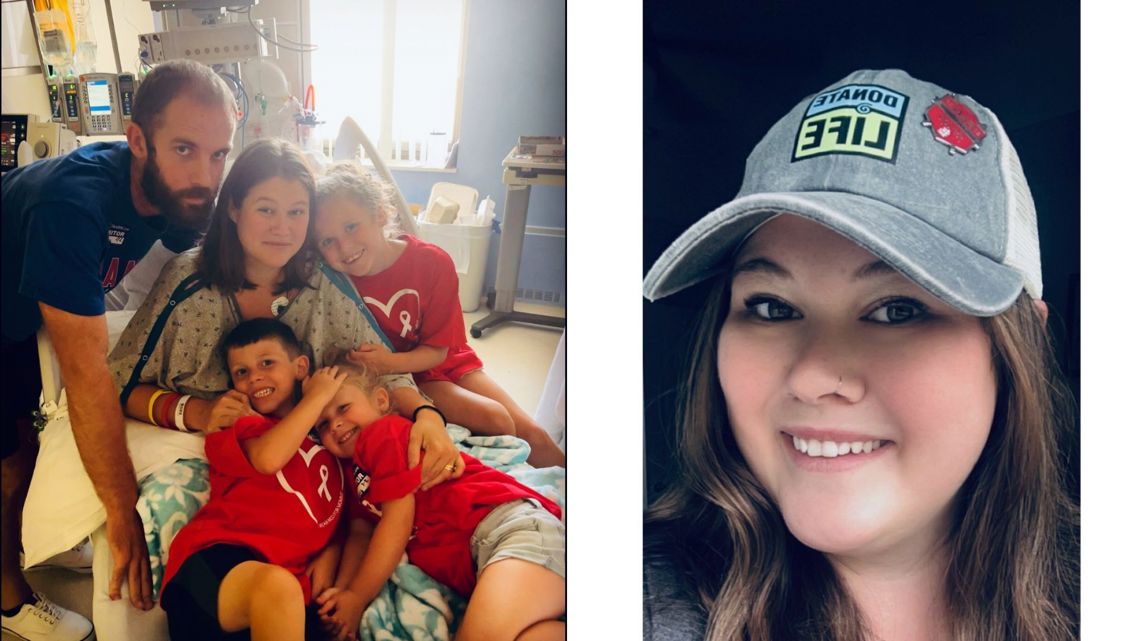
Gracyn Laidler receives a heart transplant after battling heart failure during pregnancy.
ST. LOUIS — A Columbia, Missouri, stay-at-home mom learned while eight months pregnant with her third child that she had a rare genetic mutation. The pregnancy unmasked the symptoms of heart failure, but that’s only the beginning of her story.
Gracyn Laidler, now 29, was 24 years old when she discovered that her heart was functioning at 25%. She voluntarily got tested after her mother was diagnosed with the same mutation.
“A lot of heart failure, symptoms, mimic pregnancy, symptoms, shortness of breath, swelling, all of that,” Laidler said. “My EKGs never came back abnormal. So nobody thought anymore about it. … It’s not the electrical part, it’s a pumping part. And the only way you’re gonna find that out is through an echo.”
The pregnancy was induced three weeks early, and things moved progressively downhill with Laidler’s health. She would wear a life vest in case she went into cardiac arrest because she was determined to breastfeed her baby, but then a bout with COVID-19 earned her a pacemaker and defibrillator.
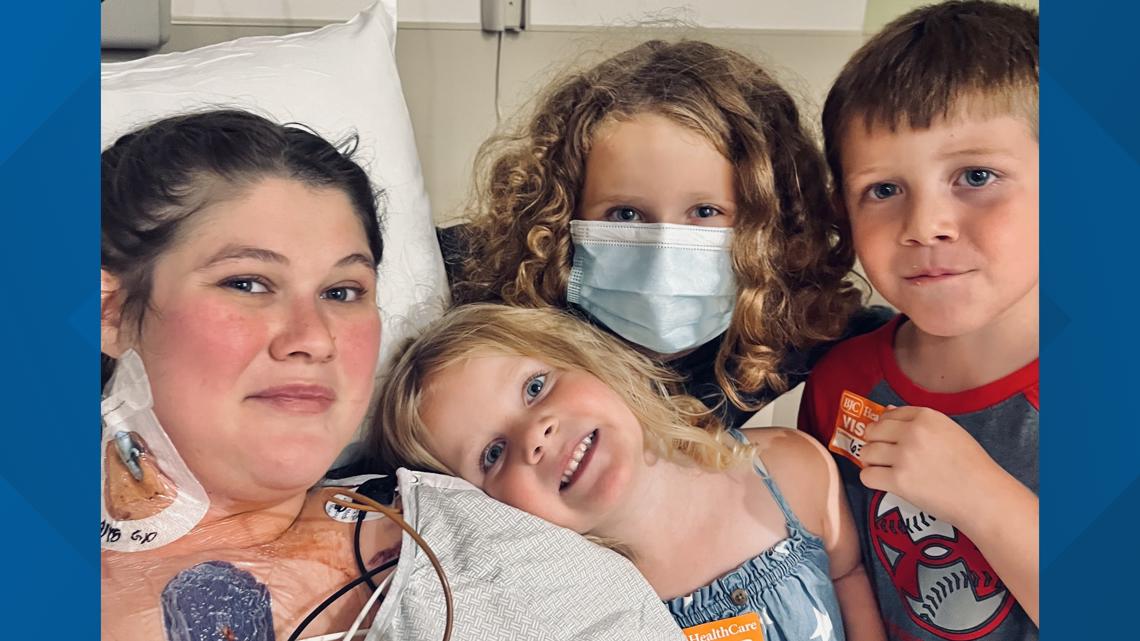
As her condition worsened, Laidler and her husband were forced to leave their three children, all under age seven, with family. They traveled two hours to Barnes-Jewish Hospital in St. Louis to connect with a transplant team.
In order to get on the list for a transplant, “you pretty much can’t be too sick, but you have to be sick enough, if that makes sense,” she said.
Laidler was not sick enough, so she went back home. But a few months later, her heart went from functioning at 20% to 8%, and she was listed as a status five, then eventually, status two. So, she went back to St. Louis.
One of the doctors she met during her time in St. Louis was Dr. Joel Schilling, a Washington University cardiologist at Barnes-Jewish Hospital. He said that over time, her specific mutation leads to weakening of the heart muscles.
During her time in the hospital’s critical care unit, she noticed other patients were much older than her, the ambassadors were older, and nobody had small children at home.
The average age of a transplant is 55, Schilling said. He also said he wanted to debunk the myth that the common cause for a transplant is smoking or lack of exercise. It’s for reasons like Laidler’s.
‘You’re in survival mode’
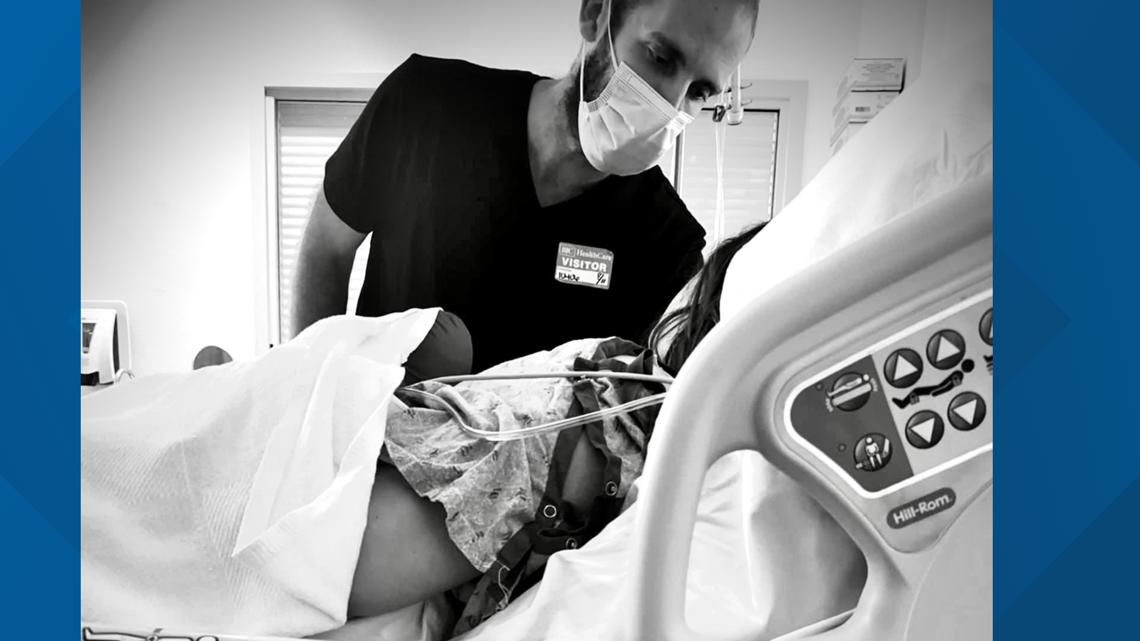
Although her husband stayed by her side, she felt completely isolated and alone.
“There’s a lot of psychological trauma that goes along with being diagnosed with a condition that can only be cured by a fairly aggressive therapy like transplant, and you’re then in the hospital waiting for that transplant,” Schilling said. “Of course, transplants by its nature, we never know exactly when we’re gonna get the right organ at the right time, so you’re in survival mode.”
Seven weeks later, Laidler received her new heart and began her new life.
But even after the transplant, hope didn’t come easily.
She was focused on the fact that all three of her children had this mutation. She was focused on what she didn’t have.
The most important thing for Schilling is that his patients are being seen as humans. So, he said he accomplishes this by acknowledging them and their feelings.
When Laidler thinks about those dark times, she credits Schilling for his caring.
“I want to be that hope for somebody else,” Laidler said. “No matter what the transplant doctors say, they don’t know what you’re going through. The only people who know what you’re going through are the people who have been through it?”
Her healing began not just physically, but emotionally – by talking about her story and becoming an advocate for organ donation.
“It healed me in ways I didn’t know were even possible,” she said.
Career course change
Laidler admitted she lost herself in motherhood, and then lost herself completely in the hospital. But her journey gave her clarity. Instead of sweating the small stuff, she’s now dreaming big.
Laidler is now in nursing school to become a transplant nurse: “I have this new lease on life. I have this new heart. I want to honor my donor in the best way I can, and I want it to be worthwhile, like I want to make a difference.”
Schilling is thrilled for her.
Although Laidler appreciated Schilling’s empathy, she knew they could not understand her plight.
The average heart transplant lasts for 15 years in America, Schilling said.
“We have patients that are approaching 35 to 40 years,” he said. “It’s truly can be a miracle, and the duration of life that people can get is pretty awesome.”
As for Laidler’s children, Schilling said the goal is to ensure the heart lasts as long as possible before they would need a transplant and that they wouldn’t have a sudden death from something that is preventable.
“It is better to be armed with that knowledge,” he said.
Now, Laidler is planning a meaningful return to St. Louis. On June 17 – her 30th birthday – she will be back at Barnes-Jewish Hospital, not as a patient, but as a source of support for others still waiting.
“It’s okay to be sad. It’s okay to cry,” she said. “It’s okay to feel everything you need to feel, but do not give up because you have a life worth living, and some organ donor out there is willing to give you that life.”


link