


ADHA calls for “qualified dental hygiene providers” only
The American Dental Hygienists’ Association (ADHA) and the International Federation of Dental Hygienists (IFDH) released a statement earlier this month advocating for higher professional standards in dental hygiene. This is in response to recent legislation allowing improperly trained and educated individuals to perform dental hygiene procedures in the US. The ADHA and IFDH’s firm stance on this matter aims to help protect patient health and uphold professionalism among the dental community.1
Across the globe, the dental hygiene profession is at a crossroads with numerous challenges regarding our autonomy and credentials,” IFDH president Jill Rethman said in a press release. “Disguised as ways to alleviate workforce shortages, these efforts are quick fixes that won’t address the root causes of personnel shortages. These efforts could endanger the public by allowing those without the thorough training of licensed dental hygienists to treat patients.”1
Considering the pivotal role hygienists play in disease prevention and therapeutic care, this push for “qualified dental hygiene providers” is paramount in keeping patients safe.
To read the ADHA and IFDH’s full position statement, click here.
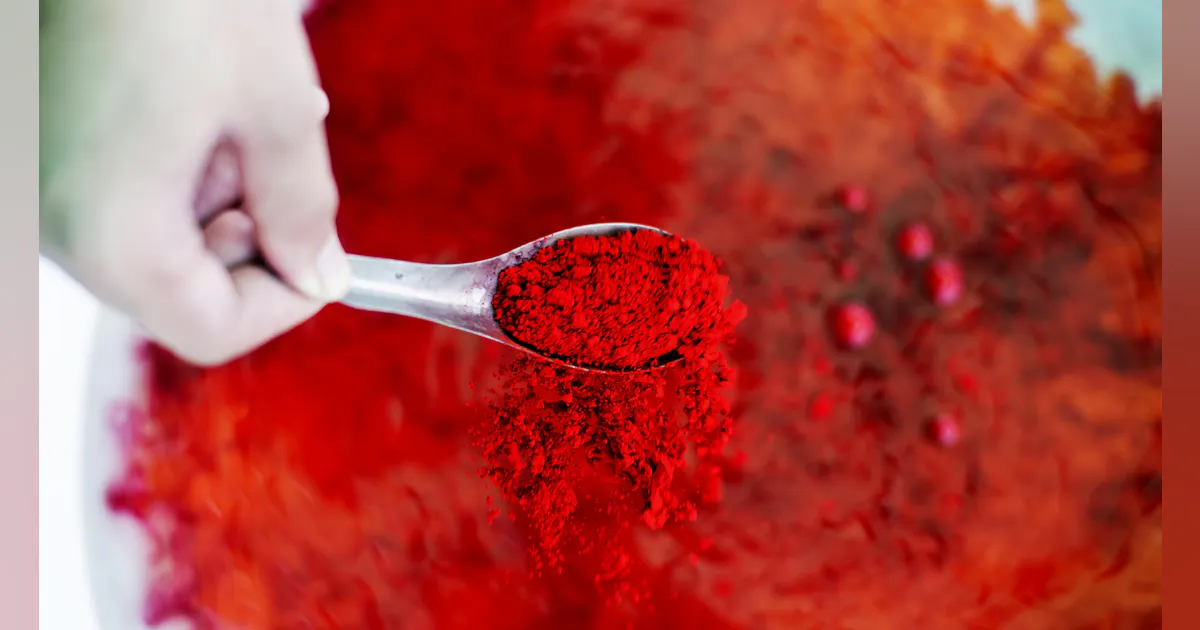
RFK Jr. plans to ban artificial food dyes
Last week, Health and Human Services director RFK Jr. announced his plan to eliminate eight common artificial food dyes by the end of next year.
At a recent news conference, RFK Jr. and his team discussed working with major food companies to meet demands without hurting their sales numbers. He plans to revoke authorization for two synthetic food colorings (Citrus Red No. 2 and Orange B) and phase out six other synthetic dyes found in kids’ cereal and popular snack products.2
“For the last 50 years, American children have increasingly been living in a toxic soup of synthetic chemicals.” RFK Jr. told reporters. To combat this ban, he aims to introduce four naturally sourced food dyes as a way to protect consumers’ health.
FDA commissioner Marty Makary believes this decision will be a net positive, particularly for children. He believes there is a link between synthetic dyes and health conditions such as ADHD/ADD obesity, diabetes, and even cancer. “Why take the gamble?” he said.2
Although this plan doesn’t specifically address nonfood items, such as drugs and hygiene products, many of these are also formulated with artificial dyes. Red No. 3, which has been known to cause cancer and thyroid tumors in animals like rats, is also in some
toothpaste and mouthwashes. Common OTC drugs like cough syrup and pain relievers are artificially colored with this product as well.3
link